- ×
 Treasure Coast 1 × $34.99
 - ×
 Orissa India Spore Syringe 1 × $21.99
 - ×
 Stropharia 1 × $21.99
 - ×
 Koh Samui Super 1 × $21.99
African Transkei
$21.99
African Transkei Strain
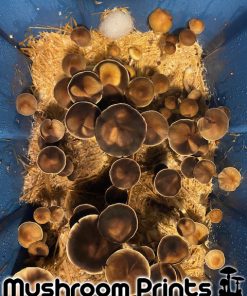
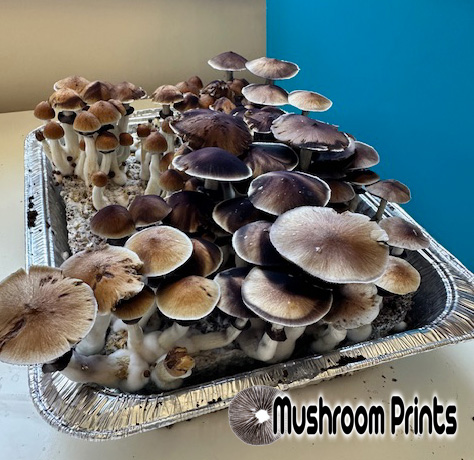
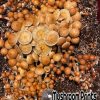
The South African Transkei strain of Psilocybe cubensis hails from South Africa and is known as the Transkei or South African Transkei . It was the first strain of Psilocybe cubensis to become widely available that originated from Africa. The original magic mushrooms were gathered in January 2002 in Transkei, located in the Wild Coast region of South Africa.
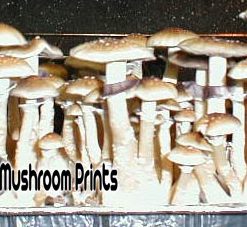
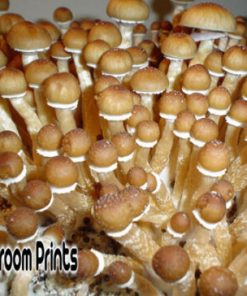
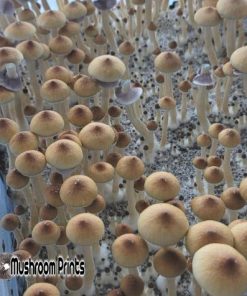
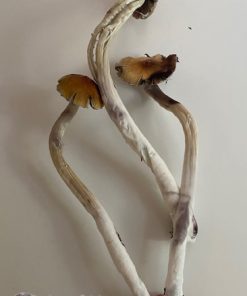
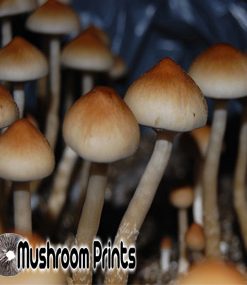
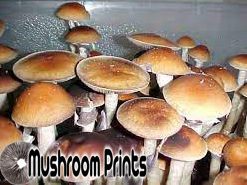
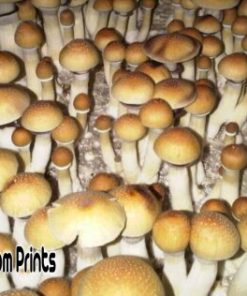
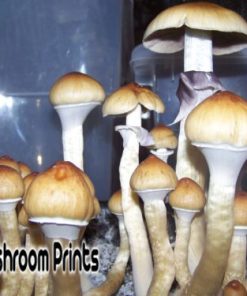
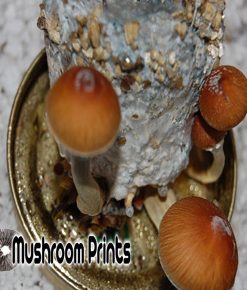
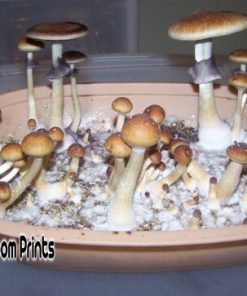
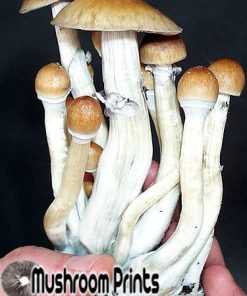
These magic mushrooms were found growing directly on dung under the shade of trees. The Psilocybe cubensis Transkei variety is of medium size with a sturdy, slightly twisted stem. When young, they boast bright orange/brown caps that eventually fade to a very pale, almost white color.
When combined with the purplish hue from sporulation, these caps display a unique white/purple/golden pattern. The veil remains attached to the cap for an extended period before tearing. This leaves remnants on both the stem and cap.
The African transkei mushroom strains mycelium grown on agar exhibits a highly rhizomorphic appearance. Cultivation methods for this strain are similar to other Psilocybe cubensis varieties. Although the development of overlay is to be anticipated. Interestingly, a cold shock does not seem to impact the growth of this particular Psilocybe cubensis strain.
This species is renowned for its robust fruiting capabilities, producing large yields of mushrooms in a short time period.
Furthermore, one of the distinctive characteristics of the South African Transkei Strain is their tendency to turn blue bruising when handled.
This bruising occurs due to the oxidation of psilocybin, a psychoactive compound found in the mushrooms. The blue color not only serves as a visual indicator of the mushroom’s potency. The blueing also adds to their appearance when dry.
When people handle mushrooms during harvesting or preparation, blue bruising appears. This feature often grabs attention among those who know about the bluing of psilocybin, and the high yield and unique traits make this strain popular.
African Transkei Cubensis
- Humidity is also crucial for African Transkei Cubensis mushrooms. The environment should be kept consistently humid, ideally between 80-90% relative humidity. This can be achieved by misting the substrate daily or by using a humidifier. It’s also important to ensure good air exchange to prevent CO2 buildup.
- Lighting is another key factor in growing these mushrooms. African Transkei Cubensis prefers indirect, low-light conditions, especially during the colonization phase. Direct sunlight can actually inhibit the growth of the mycelium. Once the mushrooms start to grow, they can be placed in low-light conditions, such as under a red light or in a dimly lit room.
- Substrate selection is also important for growing African Transkei Cubensis mushrooms. A substrate rich in nutrients, such as straw, compost, or manure, will promote healthy growth and development. The substrate should be sterilized prior to inoculation to prevent contamination.
- Fungi-to-substrate ratio is another important consideration. A ratio of 1 part fungi to 1 part substrate by weight is a good starting point.
However, this ratio can be adjusted based on the specific strain and desired yield.s another important consideration. A ratio of 1 part fungi to 1 part substrate by weight is a good starting point. However, this ratio can be adjusted based on the specific strain and desired yield.
.
Also available African Transkei Spore Print
| Weight | 0.025 kg |
|---|
Related products