
Growing mushrooms
Mushroom Prints Guide to Magic Mushroom Grow Kits.
Dec
Introduction
Discovering magic mushroom grow kits and how to cultivate them at home. We will walk you through everything you need to know about mushroom spores, psilocybin spores, and the tools needed for a successful harvest. Although all of our spore syringes at Mushroom Prints are intended for microscopy use only. In countries where it is legal to do so, mushroom spores can be used to grow magic mushrooms.
What Are Magic Mushrooms?
Magic mushrooms, also known as psilocybin mushrooms, contain psychoactive compounds that can induce altered states of consciousness. These mushrooms have been used for centuries in various cultures for their spiritual and therapeutic properties. The active ingredient, psilocybin, is converted in the body to psilocin, which interacts with serotonin receptors in the brain. This leads to profound changes in perception, mood, and cognition.
What is Microscopy for Mushroom Spores?
Microscopy is the scientific study of small objects, often using a microscope to observe their structure and characteristics. When it comes to mushroom spores, microscopy allows researchers to analyze their features, such as size, shape, and coloration. This examination is crucial for identifying different species of mushrooms and understanding their unique properties. Studying spores under a microscope helps us understand the life cycle of fungi and how they reproduce.
Whats in Magic Mushroom Grow Kit?
- Usually a pre sterilized substrate such as grain or hardwood, Substrate bags can be found online at various shops.
- A spore syringe like we offer here or liquid culture syringes for gourmet mushrooms. There are many places to find mushroom spores for sale.
- Ideal for beginners and enthusiasts.
Components of a Magic Mushroom Grow Kit
- Pre-made substrate for easy growth.
- Psilocybin mushroom spore syringe, usually sold separately
- Sterile environment for optimal conditions, such as a mono tub , or shotgun fruiting chamber.
Mushroom Spores: The Foundation of Cultivation
Mushroom spores are the reproductive units of fungi, specifically the fruiting bodies of mushrooms. Which is important in the life cycle of mushrooms. Spores help with reproduction and spread fungal species in different places.Spores are like seeds in plants. They help with reproduction, but they are very different in structure and function.
Structure of Mushroom Spores
Mushroom spores are very small. They usually range from about 2 to 30 micrometers wide, depending on the type. They can be found in various shapes, including spherical, elliptical, or even more complex forms. The surface of spores is often rough.
Mushrooms may have ridges, spines, or other patterns. These features help us identify and classify different mushroom species. Spores have a tough outer layer called the spore wall. This wall is mostly made of chitin, a strong material.
Types of Spores
There are two main types of spores produced by mushrooms: sexual and asexual spores.
- Sexual Spores: These are made through sexual reproduction. Two compatible fungal cells come together. The spores that form carry genes from both parent fungi. This process can improve genetic diversity.
- Asexual Spores: Asexual spores are made without the joining of gametes. They often form through processes like budding or fragmentation. Known as conidia, these spores help organisms spread quickly. They can be produced in large amounts and dispersed easily.
Life Cycle of Mushrooms
The life cycle of mushrooms involves several stages, beginning with the germination of spores. In the right conditions, like moisture, temperature, and nutrients, a spore will germinate. It will then grow into a thread-like structure called mycelium.
This mycelium spreads through the substrate, which can be soil, wood, or other organic matter. It absorbs nutrients and breaks down organic material.
When environmental conditions are optimal, the mycelium will produce a fruiting body, which is the mushroom we recognize. This fruiting body contains gills or pores on its underside, where spores are generated and released into the environment. Once released, spores can be carried by wind, water, or animals to new places. There, they can germinate and start the cycle again.
Importance of Mushroom Spores
Mushroom spores are vital not only for the propagation of fungi
Types of Mushroom Spores Available
- Gourmet cultures such as oyster mushroom grow kits, Shiitake and even Fried Chicken Mushroom are available.
- Psilocybe spores for various species. These are your most common magic mushroom spores simply add to cart and your on your way.
- Exotic Shroom spores. These varieties include magic mushrooms that grow well outdoor and have higher potency then most regular Psilocybe Cubensis spores. Such as Ps. Cyanescens or Psilocybe Azurescens.
How to Choose the Right Spores
- Look for quality and sterile spore syringes.
- Research specific strains available.
- Shop at a trusted vendor like MushroomPrints.com would have been online since 2009.
Cultivation Process
Preparing Your Magic Mushroom Kit
- Always Follow instructions carefully.
- Maintain proper humidity levels.
- Ensure sterility throughout the process.
When to Harvest magic mushrooms
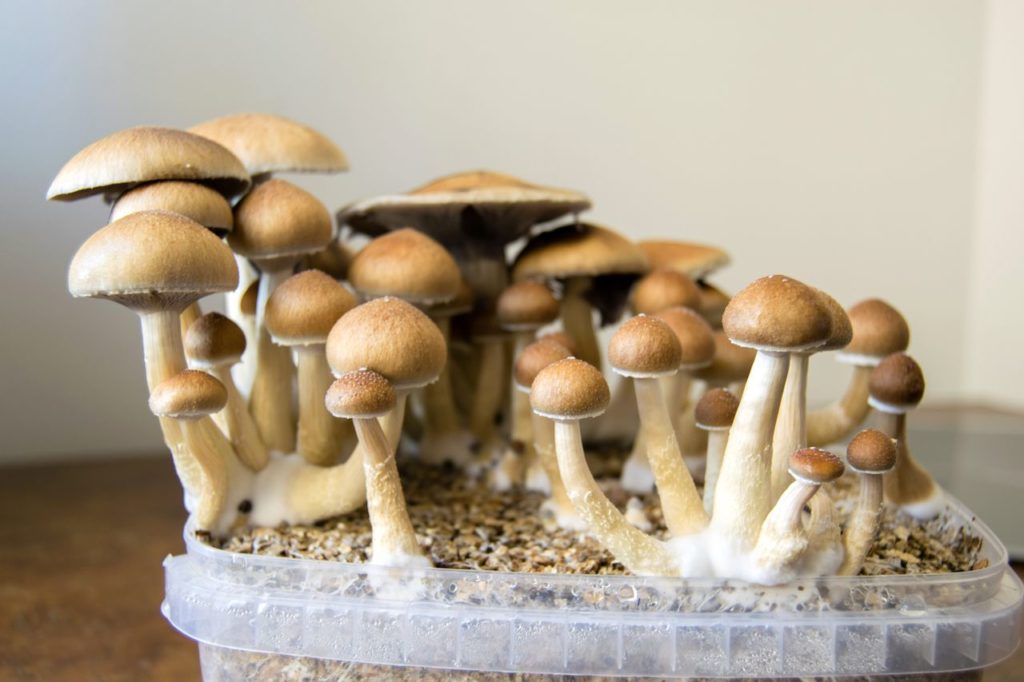
- Signs of maturity to look for are when the caps are not fully open. Just when the veil begins to tear from the mushroom gills.
- This ensures timing for peak potency.
- And clean mushrooms free from falling spores.
Preparing and Using Your Mushrooms
- Drying techniques for preservation.
- Consumption methods to consider.
- Safety tips for responsible use.
Conclusion
Growing your own magic mushrooms with a quality magic mushroom grow kit is a rewarding project. Understanding magic mushroom spores is important for success in this rewarding hobby. This includes psilocybin mushroom spores, like Golden Teacher, a type of Psilocybe cubensis.
By studying the life cycle of fungi and how to grow mushrooms. You can improve your knowledge and maybe even produce beautiful mushrooms.
Whether you’re a seasoned cultivator or a novice eager to explore the spores.
A Sporexplorer if you will. Following best practices will lead to a fruitful harvest.
